
The Biodiversity Crisis: How Environmental Challenges Threaten Our Future.
Hidden Crises and Devastation of the BioDiversity in the UK tells about an era where environmental concerns are increasingly pressing, the decline in biodiversity stands as a critical issue. Biodiversity—the variety of life on Earth—is essential for ecosystem stability, food security, and human well-being. Yet, human activities are accelerating species loss at an alarming rate. This article explores key environmental challenges impacting biodiversity. Areas include: plastic pollution, water scarcity, biodiversity loss, climate change, and air pollution. Each section highlights real-world impacts and potential solutions to inspire action. This report aims to explain the Hidden Crises and Devastation of the BioDiversity in the UK.
Plastic Pollution: A Persistent Threat to Marine Life
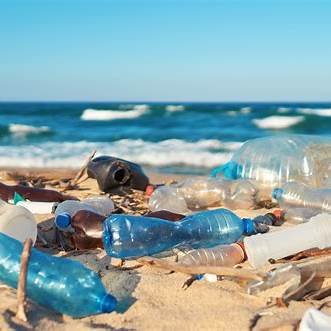
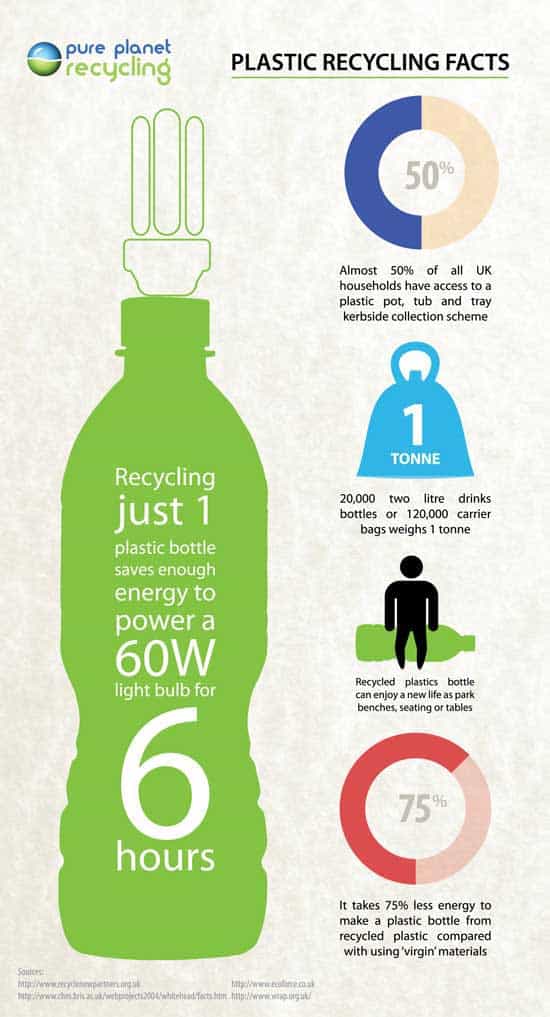
Plastic waste continues to inundate our oceans, posing severe risks to marine ecosystems. In 2023, the UK recycled only about one-third of its 1.5 million tonnes of plastic waste, with the remainder contributing to pollution. Globally, approximately 8 million tonnes of plastic enter the oceans annually, endangering marine species. A 2022 study warned that up to 90% of marine life could face extinction by 2100 if greenhouse gas emissions aren’t significantly reduced.
Real-World Impact: Microplastics have infiltrated the human food chain, with studies estimating that individuals may ingest up to 121,000 plastic particles annually through food and air.
Solutions: Companies like Adidas are innovating by producing shoes from ocean-recycled plastic. Consumers can contribute by reducing single-use plastics. They can support products made from recycled materials, and advocating for policies that promote sustainable packaging.
Water Scarcity: A Looming Crisis in the UK
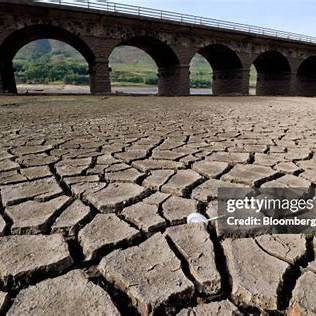
Despite its temperate climate, the UK faces significant water scarcity issues. In 2023, over 1 trillion litres of water were lost due to leaks, with Thames Water and United Utilities being major contributors. The Environment Agency warns that, without action, England could experience water shortages by 2050 leading to the Hidden Crises and Devastation of the BioDiversity in the UK
Real-World Impact: In 2023, certain UK schools closed temporarily due to water shortages, highlighting the immediate effects of this crisis.
Solutions: Implementing water metering, repairing infrastructure to reduce leaks, and promoting water conservation at the household level are crucial steps. Government policies must also focus on sustainable water management and infrastructure investment.
Biodiversity Loss: The Silent Erosion of Ecosystems
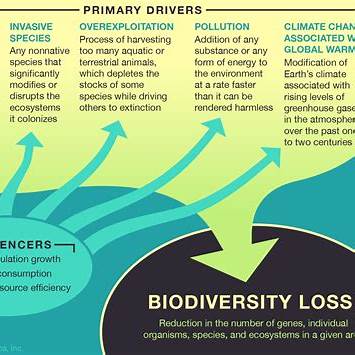
Biodiversity underpins ecosystem health, yet it’s declining at unprecedented rates. Factors such as habitat destruction, pollution, and climate change contribute to species loss. For instance, vitamin B1 deficiencies in fish and birds, linked to changes in algae populations and pollution, are causing population declines. Additionally, deep-sea fishing practices are depleting marine biodiversity, with studies indicating that such fisheries are largely unsustainable.
Real-World Impact: The decline in pollinator species threatens crop production, directly impacting food security.
Solutions: Protecting natural habitats, enforcing sustainable fishing regulations, and supporting conservation initiatives are vital. Individuals can aid by supporting biodiversity-friendly products and participating in local conservation efforts.
Climate Change: Altering Habitats and Human Lives
Climate change is reshaping ecosystems and human habitats. In the UK, the number of homes experiencing overheating rose from 18% in 2011 to 80% in 2022, driven by rising temperatures citeturn0news12. Moreover, traditional wine-producing regions are shifting northward; Hull is projected to become suitable for cabernet sauvignon cultivation by 2100 due to climate shifts.
Real-World Impact: Over the past five years, more than 10,000 people in the UK have died from heat-related conditions, underscoring the human toll of climate change.
Solutions: Transitioning to renewable energy, enhancing building designs for better heat resilience, and implementing policies to reduce greenhouse gas emissions are essential. Individuals can contribute by reducing energy consumption and supporting sustainable practices.
Air Pollution: An Invisible Health Hazard
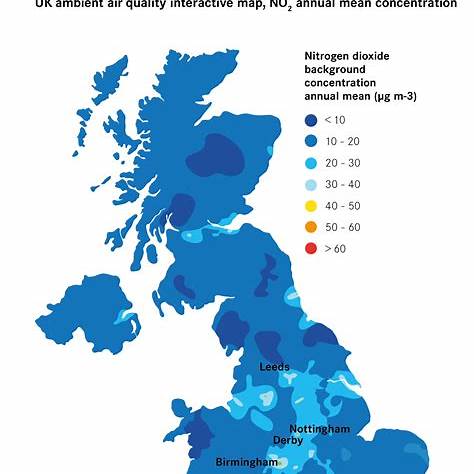
Air pollution remains a significant health concern in the UK. In the West Midlands, every area exceeds WHO air quality guidelines, leading to up to 2,300 premature deaths annually. Children are particularly vulnerable; over 90% of child asthma deaths between 2019 and 2023 were linked to exposure to air pollution levels above.
Real-World Impact: Air pollution shortens lives by an average of six months and contributes to thousands of asthma cases, strokes, and heart diseases annually.
Solutions: Implementing clean air zones, promoting public transportation, and transitioning to electric vehicles can significantly reduce air pollution. Public awareness campaigns and stricter regulations are also necessary to address this issue.
Conclusion: The Urgency of Collective Action
The challenges of plastic pollution, water scarcity, biodiversity loss, climate change, and air pollution are interconnected and escalating. Their impacts are already evident in our health, economy, and environment. Without immediate and concerted action from governments, industries, and individuals, these issues will intensify, leading to irreversible damage. However, through sustainable practices, policy reforms, and public engagement, we can mitigate these threats and preserve biodiversity for future generations.
Note: For visual representations of these issues, please refer to reputable sources such as the UK Environment Agency, the World Health Organization, and academic publications on environmental science.
Thanks to the Guardian, WHO org, Bristol University, Gov.uk, breaking news site, Phys.org, CIEH.
Food (or drink) For Thought!